Kako postati visoki igrač u kazinu Iskustva i savjeti za uspjeh
Razumijevanje visokog igranja
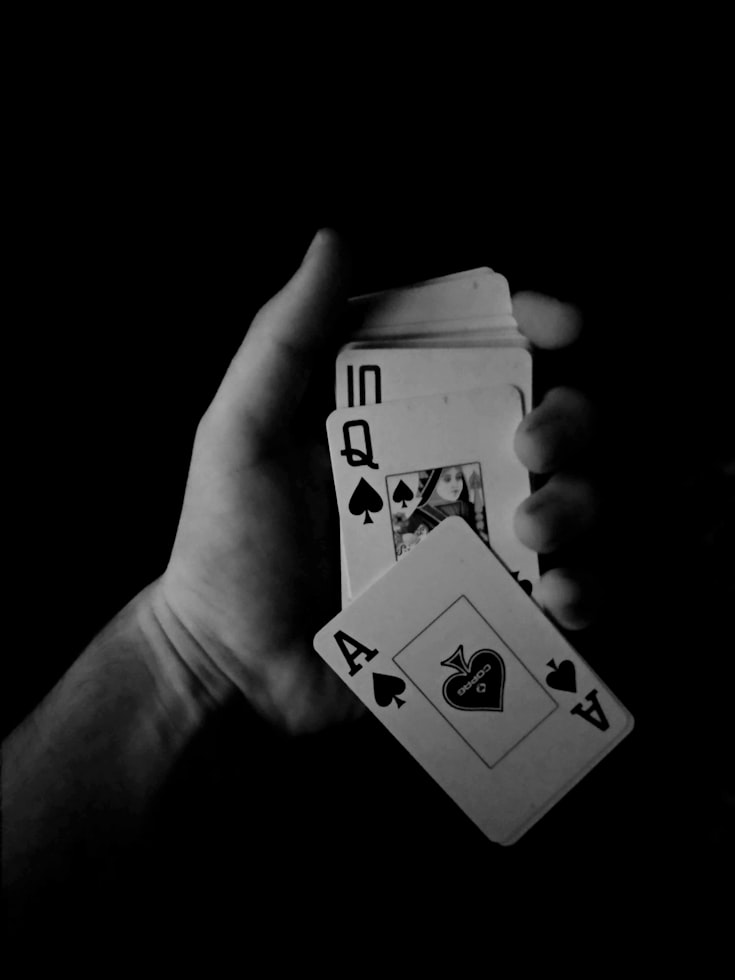
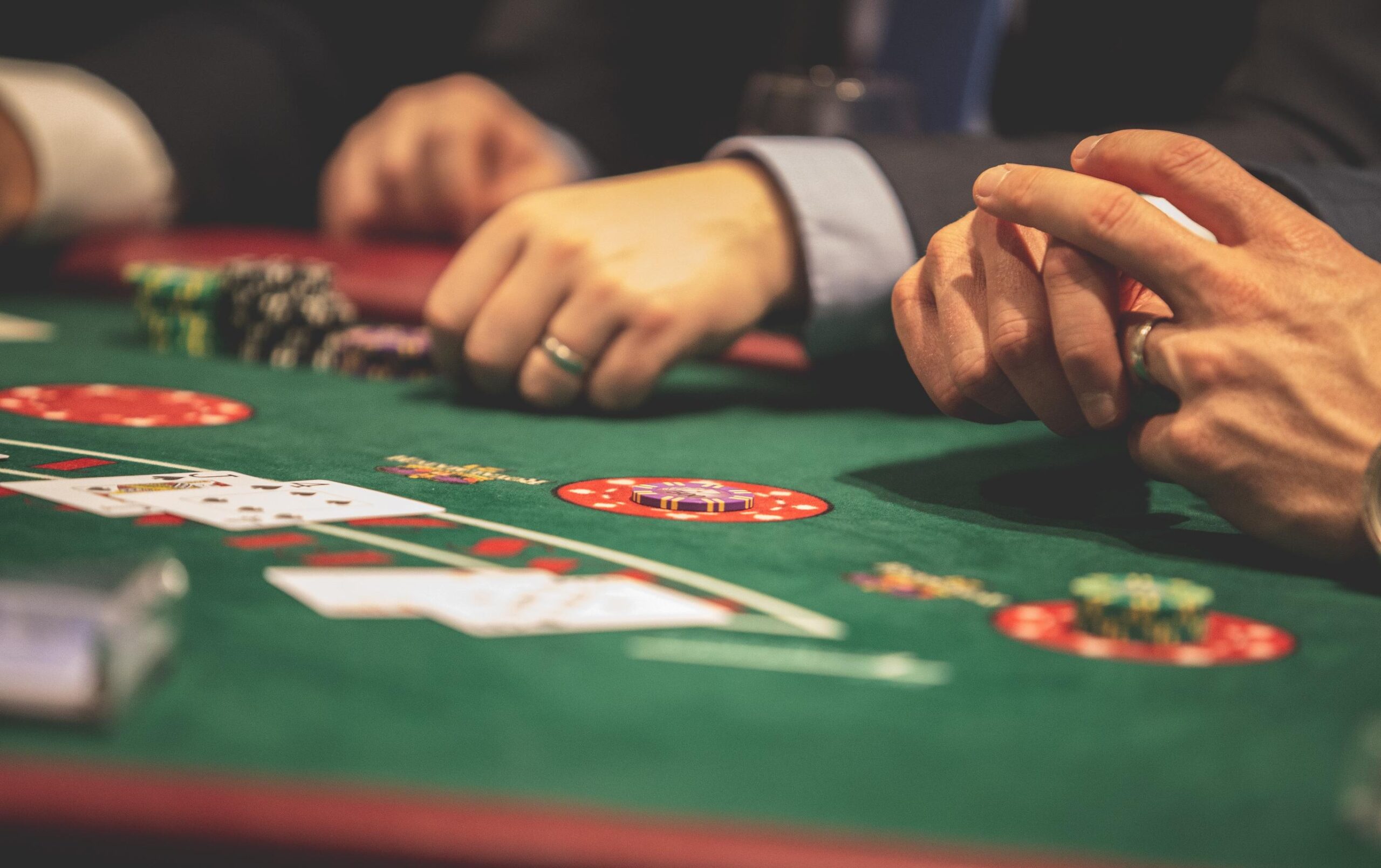
Visoki igrač, ili “high roller”, u kazinu je osoba koja ulaže značajne iznose novca u igre. Ovakvi igrači često uživaju u posebnim privilegijama i pogodnostima koje im kasino nudi, kao što su ekskluzivni bonusi, personalizirani usluga i pristup privatnim prostorima za igranje. Razumijevanje što znači biti visoki igrač ključno je za svakoga tko želi ući u svijet kockanja s višim ulogama. Na platformi NVCasino, igrači mogu pronaći brojne opcije za igre koje ispunjavaju njihove potrebe.
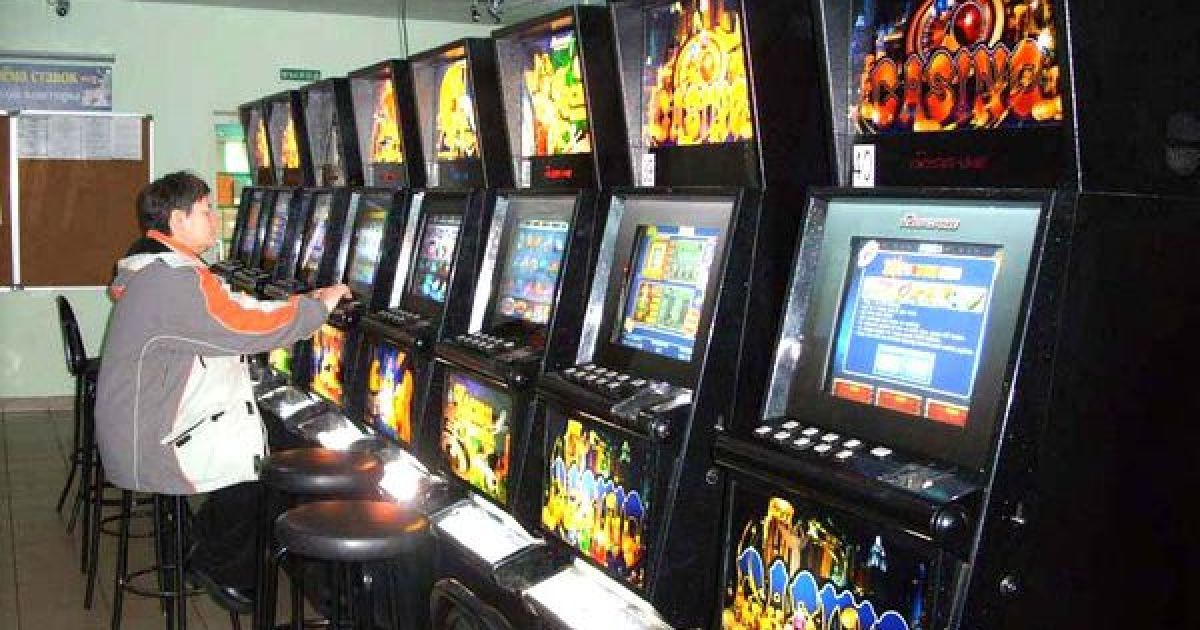
Osim financijskog ulaganja, važno je razviti strategiju igranja koja će omogućiti održavanje igre na visokom nivou. Kroz odgovorno kockanje i planiranje, visoki igrači mogu bolje upravljati svojim sredstvima i maksimalno iskoristiti iskustvo u kazinu.
Odgovorno kockanje
Odgovorno kockanje je esencijalno za svakog visokog igrača. Postavljanje granica, kao i praćenje vlastitog budžeta, pomaže u izbjegavanju potencijalnih financijskih problema. Visoki igrači trebaju biti svjesni rizika koji dolaze s velikim ulogama i uvijek bi trebali kockati onoliko koliko si mogu priuštiti izgubiti. U tom smislu, odgovorno igrači razumiju svoju ulogu unutar kockarskog okruženja.
Osim toga, pravilno upravljanje vremenom također je važno. Kockanje bi trebalo biti oblik zabave, a ne način za ostvarivanje profita. Igrači bi se trebali odmarati i postaviti vremenske granice kako bi osigurali da njihova iskustva ostanu pozitivna.
Strategije igranja
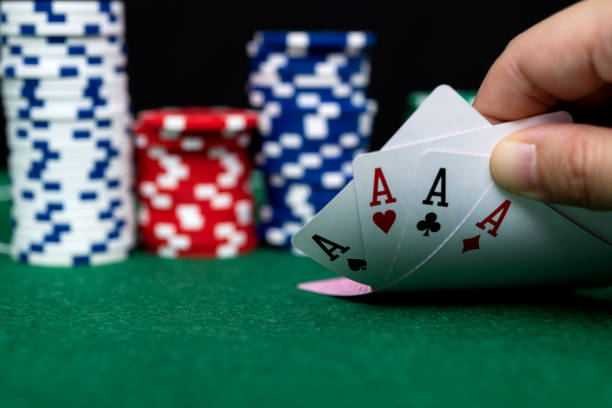
Razvijanje strategija igranja može biti ključno za uspjeh u visokim ulozima. Ovisno o igri, postoje različite taktike koje igrači mogu primijeniti, bilo da se radi o pokeru, ruletu ili blackjacku. Učenje pravila igre i razvijanje sposobnosti čitanja protivnika može značajno povećati šanse za dobitak. Uz to, visoki igrači često koriste tehnike upravljanja bankrollom i napravljene strategije koje im pomažu u ostvarivanju boljih rezultata.
Igranje s disciplinom često dovodi do boljih rezultata i manje emocionalne napetosti tijekom igranja. Kroz istraživanje i analizu, igrači mogu pronaći optimalne pristupe za različite igre u kojima sudjeluju.
Psihološki aspekt kockanja
Kockanje nije samo pitanje sreće; psihološki aspekti igraju veliku ulogu. Visoki igrači trebaju biti svjesni svojih emocija i načina na koji one utječu na donošenje odluka. Održavanje smirenosti i racionalnosti može pomoći u izbjegavanju impulzivnih odluka koje bi mogle dovesti do gubitaka. To je posebno važno u kontekstu različitih izazova s kojima se susreću tijekom igranja.
Jedna od ključnih strategija je razvijanje mentalne otpornosti. To može uključivati tehnike opuštanja, kao što su meditacija ili duboko disanje, koje pomažu igračima da ostanu fokusirani i smireni, čak i u stresnim situacijama.

NV Casino: Mjesto za visoke igrače
NV Casino predstavlja izvrsnu platformu za visoke igrače u Hrvatskoj. S više od 3000 igara, uključujući slotove i klasične stolne igre, svaki igrač može pronaći nešto za sebe. Uz izdašni paket dobrodošlice, novi igrači mogu brzo započeti svoje putovanje u svijet kockanja.
Osim raznovrsne ponude igara, NV Casino nudi sigurnost i podršku, kao i brze i jednostavne metode uplata i isplata. Visoki igrači mogu uživati u ekskluzivnim pogodnostima i doživjeti uzbudljive trenutke dok istražuju svijet igara na ovoj platformi.