
Exploring the cultural significance of casinos in modern society
The Historical Context of Casinos
Casinos have evolved significantly from their origins in ancient gambling practices to the modern entertainment hubs we see today. Initially, gambling was a simple pastime, often linked to social gatherings and community events. Over the centuries, as societies advanced, so too did the complexity and scale of gambling establishments, leading to the creation of formal casinos in cities across Europe and America. For more insights about the culture surrounding these establishments, you can visit lovenorthernbc.com, where topics related to gambling are explored in-depth.
This evolution reflects broader societal changes, including shifts in attitudes toward risk and chance. During the 19th century, the rise of industrialization and urbanization contributed to the establishment of grand casinos, which became symbols of wealth and sophistication. This transition marked casinos as not only places for gambling but also as venues for social interaction and cultural expression.
Casinos as Social Spaces
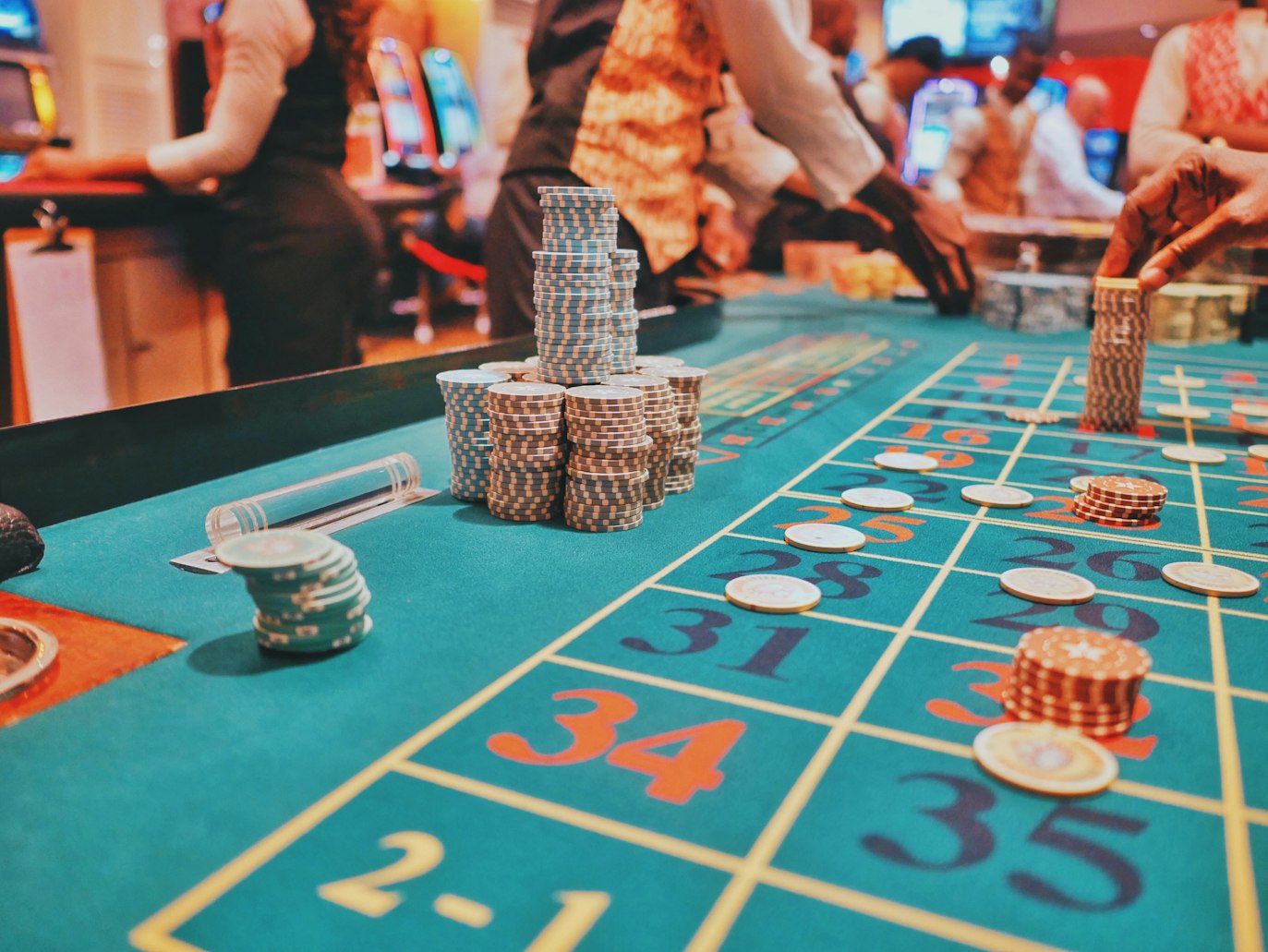
In contemporary society, casinos serve as vibrant social spaces where individuals from diverse backgrounds converge. These establishments often host a variety of entertainment options, including live performances, restaurants, and bars, making them focal points for social interaction. The ambiance of a casino, with its bright lights and energetic atmosphere, fosters a sense of community among patrons.
Moreover, casinos are often linked to regional tourism, drawing visitors seeking both excitement and a taste of local culture. This connection enhances the social significance of casinos, as they contribute to the local economy and promote cultural exchange, enriching the experience of both residents and tourists alike.
The Cultural Representation of Gambling
The portrayal of gambling in media and popular culture plays a crucial role in shaping public perceptions of casinos. Films, television shows, and literature often romanticize the allure of gambling, depicting it as a thrilling and glamorous activity. This cultural representation influences societal attitudes, making casinos seem more appealing and acceptable as entertainment venues.
However, these portrayals can also lead to misconceptions about the risks associated with gambling. While many enjoy casual play, the potential for addiction and financial hardship remains a serious concern. Discussions surrounding responsible gambling are increasingly important, as they highlight the need for awareness and education regarding the darker side of this entertainment form.
The Economic Impact of Casinos
Casinos contribute significantly to local and national economies. They create jobs, not only within the establishments themselves but also in associated sectors such as hospitality, entertainment, and tourism. The influx of visitors to casinos often leads to increased spending in the surrounding areas, benefiting local businesses and enhancing community development.
Additionally, the revenues generated by casinos frequently fund public projects and services, including education and infrastructure. This economic impact underscores the multifaceted role casinos play in society, functioning as both entertainment venues and vital contributors to economic growth.
Conclusion: The Role of Casinos in Today’s World
In conclusion, the cultural significance of casinos in modern society is evident in their multifaceted roles as social spaces, economic engines, and cultural representations. As venues for entertainment and community engagement, they reflect broader societal values and attitudes toward gambling.
Understanding the complexities of casinos allows for a more nuanced view of their impact on society. Whether viewed as places of excitement or potential pitfalls, casinos undeniably hold a prominent place in the cultural landscape of today, making them worthy of exploration and discussion.